Test the paper before promising a method
Vinyl, paper, non-woven, fabric-backed and painted-over wallcoverings do not release the same way. We assess seams, top layers, adhesive and the substrate before confirming the removal plan.
Strataline project service
Removing the paper is only the first step. Strataline removes wallcoverings and adhesive, repairs torn drywall paper, skim coats where needed, and prepares the surface for paint or a new wallpaper installation.
15+ Years Experience • Dust-Free Process
Fully Insured • Photo Estimates Available
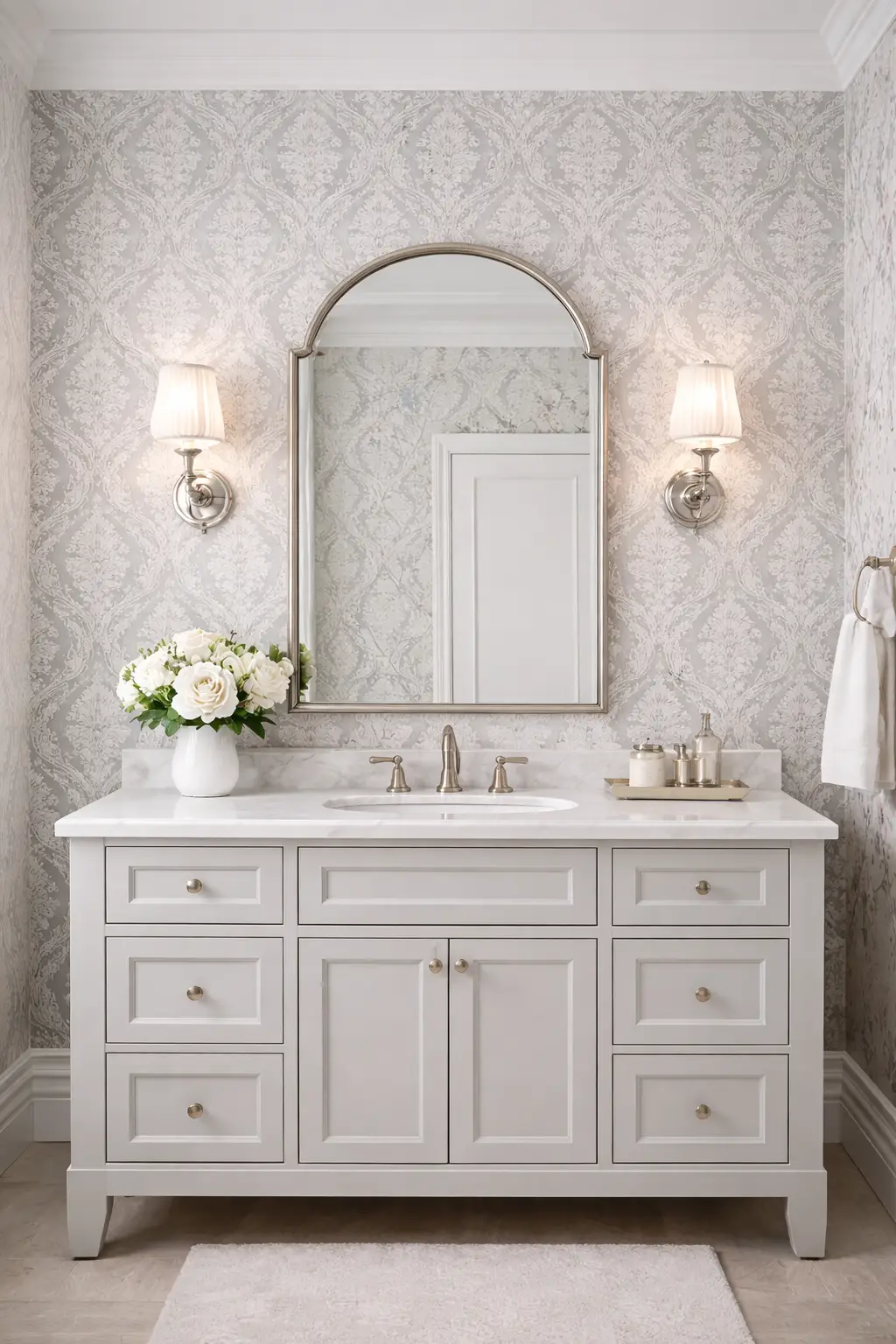
Vinyl, paper, non-woven, fabric-backed and painted-over wallcoverings do not release the same way. We assess seams, top layers, adhesive and the substrate before confirming the removal plan.
Glue left behind can cause paint to flash, crack or lose adhesion, and it can interfere with new wallpaper. Residue must be removed or stabilized as part of the approved wall-recovery scope.
If unprimed drywall facing lifts during removal, joint compound should not be applied directly over loose or exposed paper. Damaged areas are stabilized before patching or skim coating.
A wall being repainted may need a different repair and primer sequence than a wall receiving new wallpaper. We define the intended finish before deciding how far wall correction must go.
Wide room views, close photographs of seams and damage, approximate wall dimensions, ceiling height and access details can support the first review. Uncertain walls may need a site visit or test area.
Floors, baseboards, casing, fixtures, cabinetry and adjoining rooms are protected for wet removal, scraping, debris and any sanding included in the work.
The release method is matched to the material and substrate. Peelable faces may come away first; coated or painted paper may need controlled scoring, moisture, heat or patient sectional removal.
Residue, loose paint, torn drywall facing, open seams and unstable patches are addressed before new compound or primer is applied.
Where required, repaired walls are skim coated, sanded with dust control, inspected under working light and primed for the agreed next finish. Painting or new wallpaper is listed separately when included.
In Maple, we removed wallpaper around the stairwell, skim coated and painted the walls, and refinished wooden doors during the same visit. See the Maple wallpaper-removal project.
Some wallcoverings release cleanly from a properly primed wall. Even then, the backing and adhesive still need to be checked before the surface is called ready.
Paint can block moisture from reaching the adhesive and hide loose seams or multiple layers. Removal is often slower and the exposed wall may need more correction.
Older rooms can contain stacked paper, border adhesive, patched areas and different wall conditions within one room. The scope may change after the first layers are opened.
Adhesive can bond directly to the drywall facing. Careful removal reduces avoidable damage, but a completely damage-free result cannot be promised when the original wall was not prepared correctly.
Cracks, chalking paint, weak coatings and historic repairs may appear after removal. These conditions are assessed before a new finish system is selected.
Stairwells, powder rooms, vanities, cabinets, bulkheads, high walls, outlets and dense trim increase protection, cutting and cleanup time.
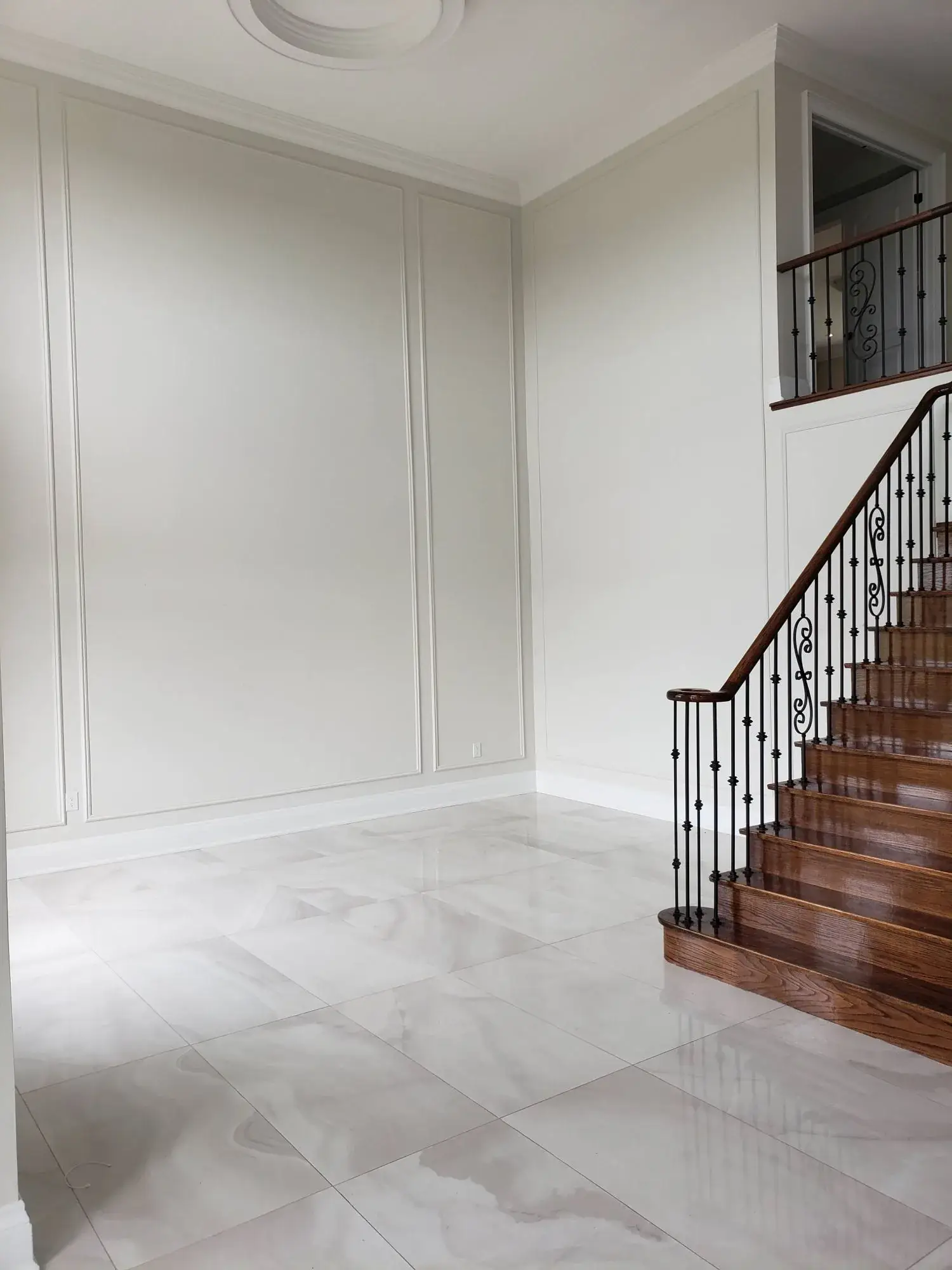
When the goal is paint, the scope can include adhesive cleanup, sealing torn paper, repairs, skim coating, dust-controlled sanding, primer and the selected wall coating. The written estimate should say exactly where the finish stops.
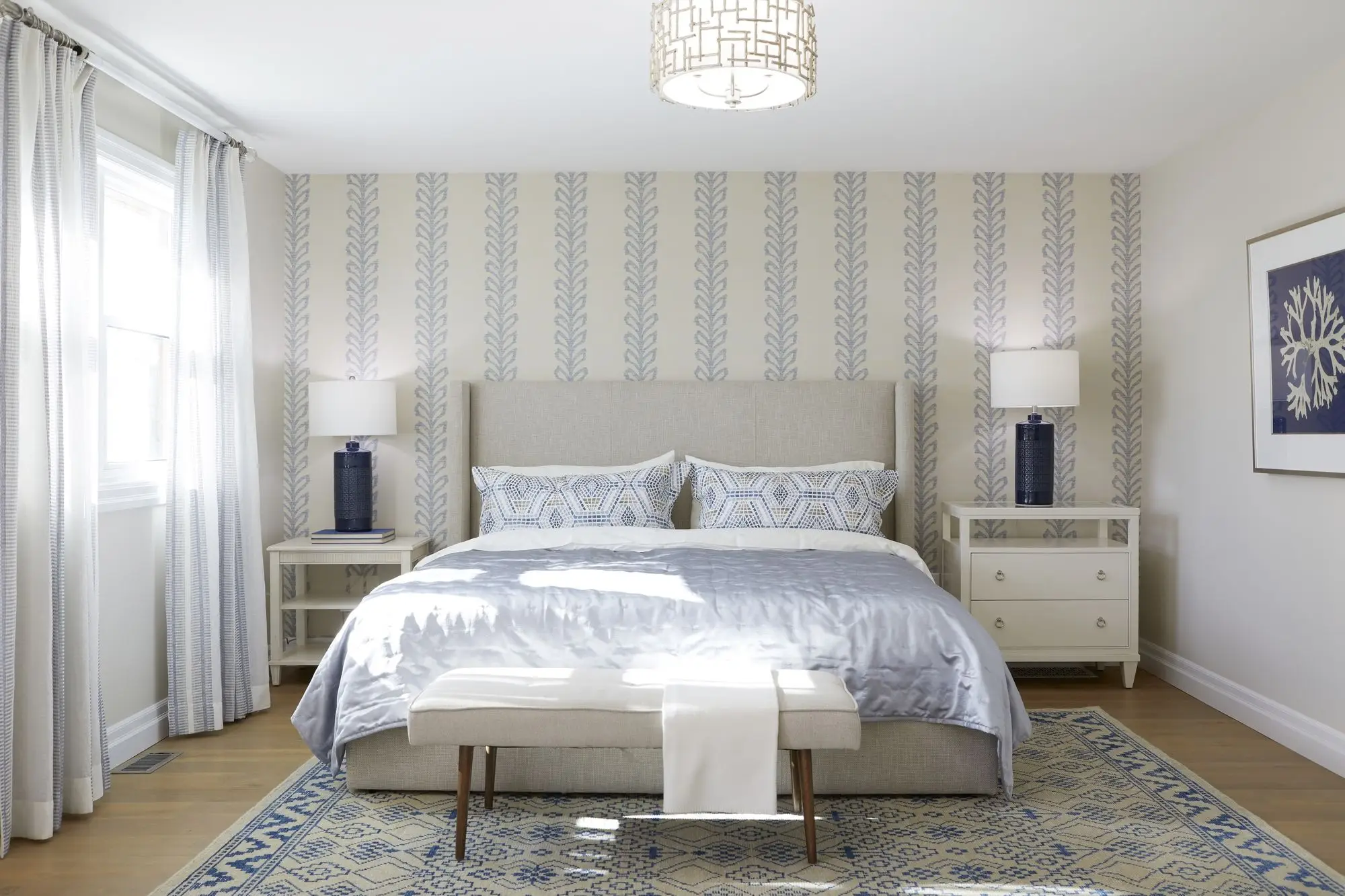
Replacement wallpaper needs a sound, smooth and consistently primed surface. Product instructions, wall condition and the new material determine the final preparation and primer.
Total wall area, ceiling height, corners, windows, doors, cabinetry, fixtures, stairwells and access conditions all affect labour.
Peelable paper, vinyl face stock, fabric backing, borders, murals, painted paper and multiple installations can require different removal methods and time.
A properly primed wall may release cleanly. Wallpaper bonded to weak paint or bare drywall can require extensive sealing and surface correction.
Removal only, basic stabilization, paint-ready skim work, full priming, repainting and preparation for new wallpaper are different scopes and should not be priced as if they are the same.
Furniture movement, dust barriers, daily cleanup, phased rooms and keeping parts of the home usable can add setup and coordination time.
Washing, sealing, compound, primer and finish coats need suitable drying time. A larger recovery scope may require multiple visits even when the removal itself moves quickly.
Identify the walls and layers included, the protection plan and whether the price is fixed or subject to a documented test-area condition.
State how residue, torn drywall paper, loose paint and failed previous repairs will be handled before skim work begins.
Define the intended finish level, the areas being skimmed, dust-control expectations and the primer included after repairs.
Final paint and new wallpaper installation should be listed clearly instead of being implied by the phrase “wallpaper removal.”
FAQ
Wall area is only part of it. Paper type, multiple layers, painted-over surfaces, adhesive, access and the condition of the wall underneath affect removal and repair. The quote should distinguish stripping from a paint-ready or re-papering-ready finish. Photographs help with the first review, but concealed damage may not be clear until the old material is removed.
Generally, yes. Removing the old paper and adhesive allows the underlying wall to be assessed and avoids depending on an unknown older bond. The exposed surface may need repairs, sealing or skim coating. Removal is a separate part of the agreed scope, because painted paper, multiple layers and damaged drywall can change the amount of preparation needed.
It may appear quicker, but painting retains the old paper, seams and adhesive as the base. Loose edges, texture or an unreliable bond can remain visible or cause later problems. We assess removal and wall correction before choosing that shortcut. A properly prepared wall is usually the more dependable starting point when the aim is a smooth painted finish.
Usually the wall needs correction first. Ridges, dents, torn drywall paper, uneven patches and loose coatings can show through wallpaper or weaken the bond. Preparation may include residue removal, sealing, repairs, skim coating, sanding and appropriate primer. A heavy-looking wallcovering should not be assumed to hide everything; its thickness does not make an unsound substrate suitable.
Yes, after adhesive residue and any damaged surface have been addressed. Paint over remaining paste or torn facing can produce an uneven or unreliable finish. The wall may need sealing, patching, skim coating and sanding before primer and paint. The removal stage reveals how much correction is required; stripping the visible paper alone does not make the wall paint-ready.
Send a full-room view, a straight-on photo of each wall, approximate widths and heights, ceiling height and the product link or label. Include roll dimensions, pattern repeat and photos of damage, texture or old wallpaper. Access, stairs and furniture also affect the work. The product information is as important as the wall area when assessing installation and material quantity.
Removal, wall correction, primer readiness, product type, pattern matching and access all affect the schedule. A sound feature wall and a stairwell with damaged paper beneath old wallpaper are very different scopes. We review the preparation before setting the installation sequence. Materials should be inspected and ready so an incomplete or damaged delivery does not interrupt hanging.
We warrant our labour and installation to the original client for as long as that client owns the property, subject to the applicable manufacturer-warranty period for supplied products. Where no meaningful manufacturer warranty exists, workmanship coverage continues through the original client’s ownership. If a problem is caused by our workmanship, we return and correct it. Coverage ends when the property is sold or another contractor modifies or repairs the covered work.
The warranty covers genuine labour or installation defects. It excludes ordinary dirt, normal wear, accidental damage, misuse, abuse, inadequate maintenance, unrelated water intrusion, third-party damage, structural movement and client-supplied product defects.
Often, yes. A wallpaper-compatible primer can seal porous repairs, create a consistent base and help with positioning and later removal. The right preparation depends on the existing paint, drywall condition and wallcovering instructions. Damaged drywall paper may need sealing before repair. Primer does not replace removal of loose paint or correction of a rough wall.
A broad skim can be useful when many repairs, ridges or texture differences would remain visible across the finished wall. Strong side light and smoother or more reflective finishes make those differences more noticeable. Isolated sound defects may only need local repair. The scope should match the existing surface and finish expectation rather than prescribe full skimming for every room.
Raw drywall, repaired paper, stains, glossy coatings and major colour changes present different conditions. The primer is chosen to address the actual substrate and the intended coating system. A generic coat over everything may leave adhesion or staining problems unresolved. Cleaning, repair and stabilization still come first; primer is not a replacement for a sound, properly prepared surface.
Repairs can differ from retained paint in flatness, texture and absorption. Side light or a reflective sheen can make those differences visible even when the colour is correct. Proper sanding, priming and a consistent finish across the plane help address the problem. Repainting a small spot alone may not blend successfully with an older surrounding surface.
No. The selected product still needs a compatible, clean, sound surface and any required paint-curing period. Texture, loose paint, contamination and room conditions can affect adhesion and removal. Send the product instructions and wall photographs for review. A removable label should not be taken as a guarantee that every existing paint or drywall surface will remain undamaged.
We check the finished wall dimensions, panel sequence and product instructions before layout. The focal point, trimming allowance, corners, windows and fixed furniture all affect where the image should sit. Delivered panels are inspected for sequence, printing and shipping issues before hanging. A mural needs a complete layout plan rather than simply starting the first panel at the nearest corner.
A clear room gives the best working access, but the plan depends on what can reasonably be moved. We identify items to relocate, protect remaining furniture and floors, and keep a usable route outside the work zone. Fragile possessions need particular attention. Protection and handling are included in the scope according to the actual room, not assumed from its floor area.
For applicable work such as ceiling removal, stair sanding, wall correction and painting preparation, our dust-free process combines containment, floor and furniture protection, HEPA extraction, Festool and Mirka sanding equipment, controlled sanding, air management, cleanup and inspection. The system captures sanding dust and protects occupied areas. Demolition and brick cutting still generate dust at the work point and need operation-specific containment.
Often, with a practical plan for usable rooms, protected circulation and temporary restrictions. The answer depends on the scope, drying stages and whether essential stairs, the kitchen or the only bathroom must close. We discuss those interruptions before scheduling. A contained work zone still needs to remain clear of household traffic while work is underway.
A requested change needs a clear description of what is being added, removed or substituted, together with the price and scheduling effect. We review it before the changed work proceeds. Even a small visible change can affect ordered materials or another trade, so decisions are recorded against the written scope rather than left to an informal assumption.
Ask about renovation approval, contractor documents, work hours, elevator and loading reservations, common-area protection, disposal and any water shutoff procedure. Flooring or exterior-opening work can require additional product approval. Share those requirements before ordering or booking construction; building permission and municipal or trade approvals are separate parts of planning.
We do not apply one universal project minimum. Small work may be accepted when it matters to the client, is technically demanding, supports accessibility, involves an existing client or is logistically practical. A defect only a few square inches in size can require protection, filling, sanding, priming, colour matching and repainting a larger plane so it does not look patched.
Written quotes are normally valid for 30 days unless the quote states otherwise. Public website price ranges are before HST. Supplier pricing and availability can change after a quote expires, so an older estimate should be reconfirmed before products are ordered or a date is booked. The current written agreement sets the amount and terms for your project.
Projects below approximately $2,000 may be paid at completion, while larger labour-only work may use two payments. This depends on the actual scope and is written into the agreement. A labour-only project does not necessarily have the same purchasing and delivery milestones as a renovation that includes custom doors, windows or other supplied products.
The work zone and protected access route are cleaned, the finishes are inspected, and any outstanding scope items are reviewed before handover. Protection removal is sequenced so debris does not get dragged through finished rooms. Daily cleanup and final completion serve different purposes: a tidy intermediate work area can still need curing time or another finishing stage.
Wallpaper removal and wall recovery for houses, condos, offices and finished occupied interiors, subject to access, parking and building rules.
Service for Vaughan, Woodbridge, Richmond Hill, Markham, Thornhill, Maple and nearby York Region communities.
Larger removal, wall-repair, repainting and replacement-wallpaper scopes are reviewed across Peel, Halton and nearby GTA areas.
REAL PROJECTS
Client reviews
Feedback from homeowners and project partners across the GTA, collected from Google and Facebook.
1–3 of 15
Read full reviewI love my new stairs! I am so happy I chose Strataline to renovate the staircase in my house.
Read full review See Ilene and Mario’s door-finishing projectTheir attention to the smallest of details speaks volumes of the pride they take in their work.
Read full reviewMax and his team at Strataline have done multiple home improvement projects for us, including stair refinishing, popcorn ceiling removal, new flooring and interior painting. From the start their team was professional and punctual.
Read full reviewThe Popcorn removal was excellent and a very clean process. They also transformed our stairs from boring oak to a much more modern look. They handled repainting of the whole house and replacement of old tile floors with a beautiful new one.
Read full review See the Burlington ceiling and staircase projectIt looked so good we ended up having our main hallway, front foyer, & sunroom ceilings re-done as well.
Read full reviewMax of Strataline Inc. did an exceptional job creating 1) a custom inside railing for a winding grand staircase and 2) installing outdoor railings.
Read full reviewWe had great experience working with Max. He was very attentive to all our concerns and requests, easy communication and quality of workmanship is outstanding!
Read full reviewAmazing team, they painted my entire home , extremely attentive to the details, they cover and mask everything to avoid dust and mess ( I am super picky and OCD and hard to please but Galina and Maxim nailed it).
Read full reviewExcellent services: customer service, expertise, pricing policy. Impressive scheduling and delivering services by expected date of completion.
Read full reviewExcellent team , top notch quality! Very happy with their work!
Read full review See the condo behind Greg’s reviewThe quality of the painting was excellent, but what really stood out was how clean they kept everything.
Read full reviewWe had an excellent experience working with Maxim and Strataline Inc. Installing and perfectly matching a custom stain for our oak treads was no small task, and the addition of the square posts made it an even greater technical challenge—but everything was executed flawlessly.
Read full reviewWOW! Just WOW! Max removed all the popcorn from our 1800 sq ft town home, repainted from top to bottom plus did some carpentry repairs on our floors…and the final result is spectacular!
Read full reviewMaxim at Strataline did a very professional job in removing our hallway popcorn/stucco ceiling. The end result was a completely smooth surface and not only that, they totally sealed off the area so absolutely not dust penetrated other areas of the house.
Read full reviewMy husband and I are unbelievably happy with the work that Max and his team did on our ceilings in the house. The professionalism of this team is incredible.
